As the global maritime industry enters a period of profound transformation driven by digitalization, the green transition, and the restructuring of international supply chains, human capital has emerged as a decisive factor in determining corporate competitiveness. Maritime companies are no longer focused solely on recruiting traditional operational personnel. Instead, they are seeking a new generation of professionals equipped with integrated thinking, technological adaptability, and the capability to operate in an increasingly globalized business environment.
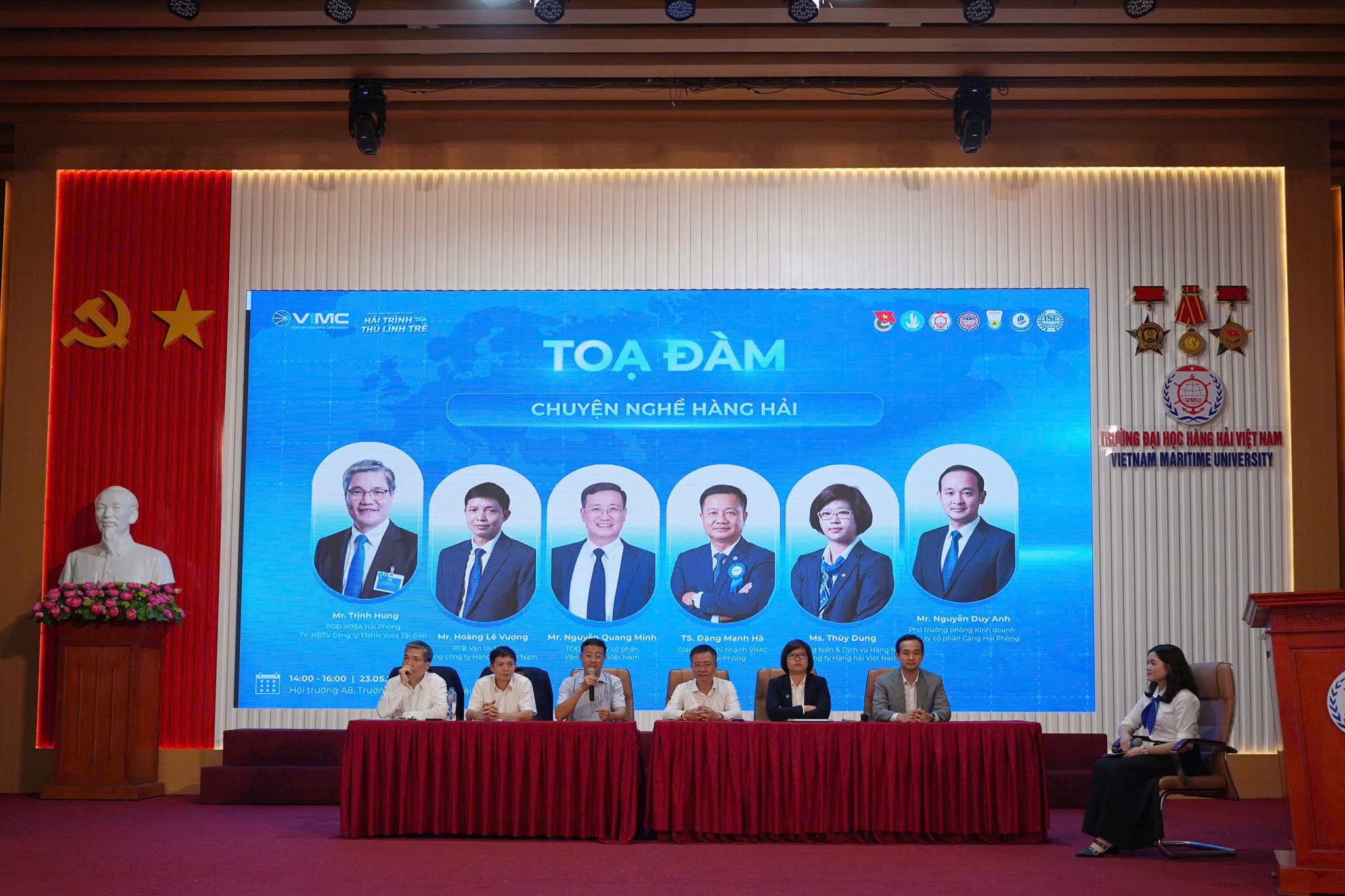
The recent “Maritime Career Stories” forum, jointly organized by Vietnam Maritime Corporation (VIMC) and Vietnam Maritime University in Hai Phong, clearly reflected this shift. Recruitment is no longer viewed simply as the process of filling vacancies; it has become a long-term human capital strategy aimed at developing the future maritime logistics ecosystem.
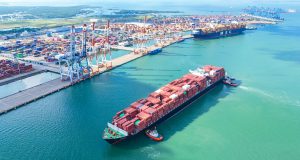
Vietnam’s maritime industry is entering a new growth cycle, supported by the country’s national marine economic development strategy. Deep-water port infrastructure continues to expand, international container shipping is growing rapidly, and demand for integrated logistics services is steadily increasing.
Yet the industry’s greatest challenge today lies not in infrastructure or technology, but in its people.
While recruiting operational workers for port operations or logistics activities is not particularly difficult, the market faces a significant shortage of professionals who can operate in international environments, understand modern supply chains, leverage advanced technologies, and manage across multiple disciplines.
This is why an increasing number of logistics companies, port operators, and shipping enterprises are shifting away from passive recruitment toward employer branding strategies that engage talent directly at universities.
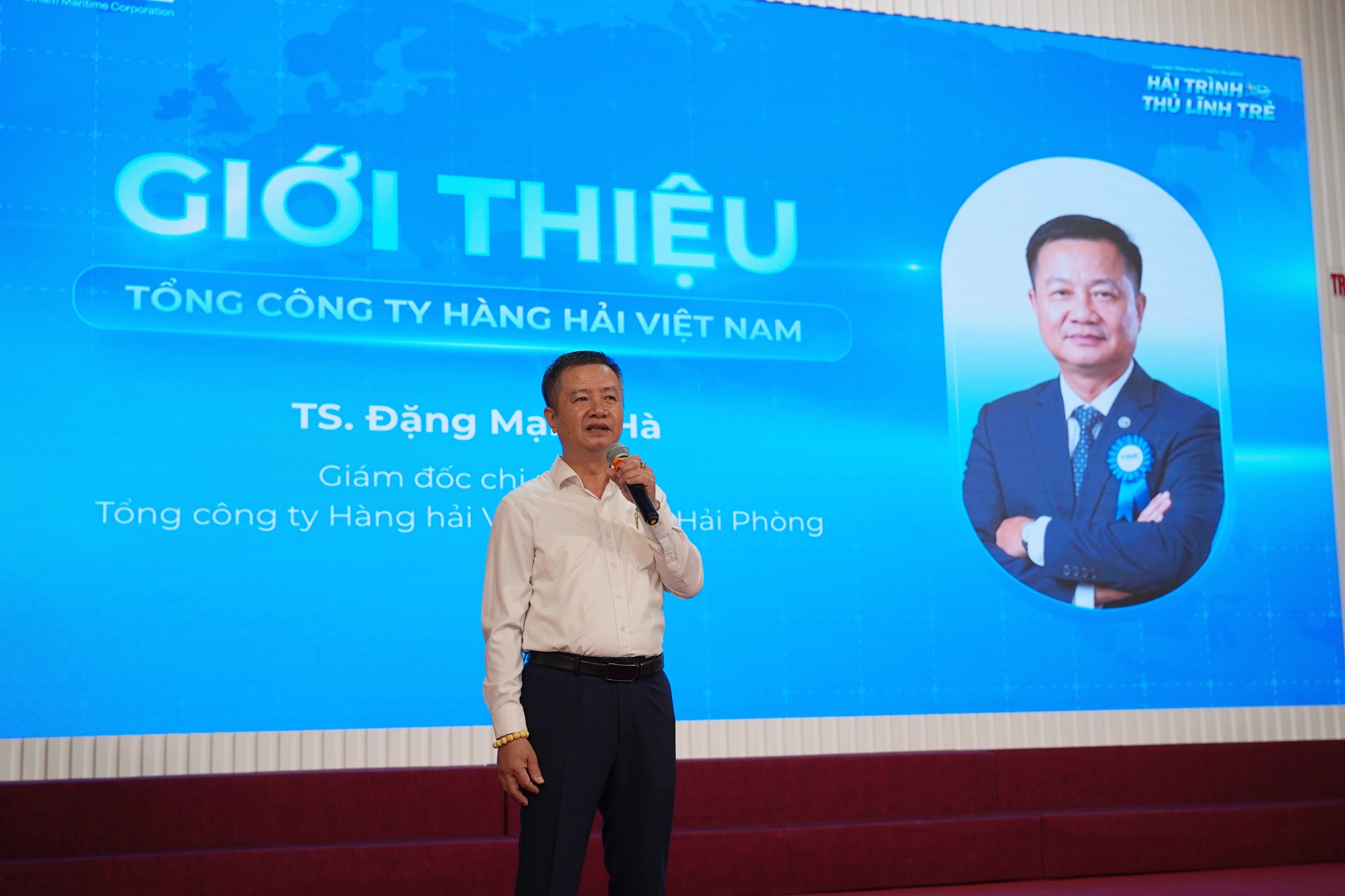
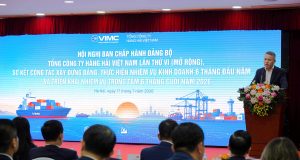
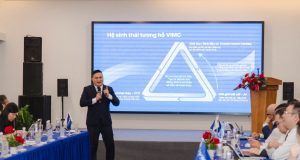
At the “Maritime Career Stories” forum, Dr. Dang Manh Ha, Director of VIMC’s Hai Phong Branch, outlined an industry undergoing rapid transformation under the influence of digital transformation, sustainable development, and the restructuring of global supply chains. Under its new strategic direction, VIMC aims to become Vietnam’s leading integrated maritime logistics corporation, built upon three strategic pillars: ports, shipping, and maritime services.
Within this business model, seamless integration across every link of the supply chain is no longer merely a competitive advantage—it has become essential for business sustainability.
Operating such an ecosystem requires an entirely new generation of maritime professionals.
One of the industry’s most significant shifts is its transition from traditional operational models to integrated logistics built upon data, technology, and supply chain management.
This transformation is fundamentally redefining the industry’s workforce profile.
During the panel discussion, representatives from VIMC’s member companies and functional departments shared practical insights into the evolving requirements of today’s labor market.
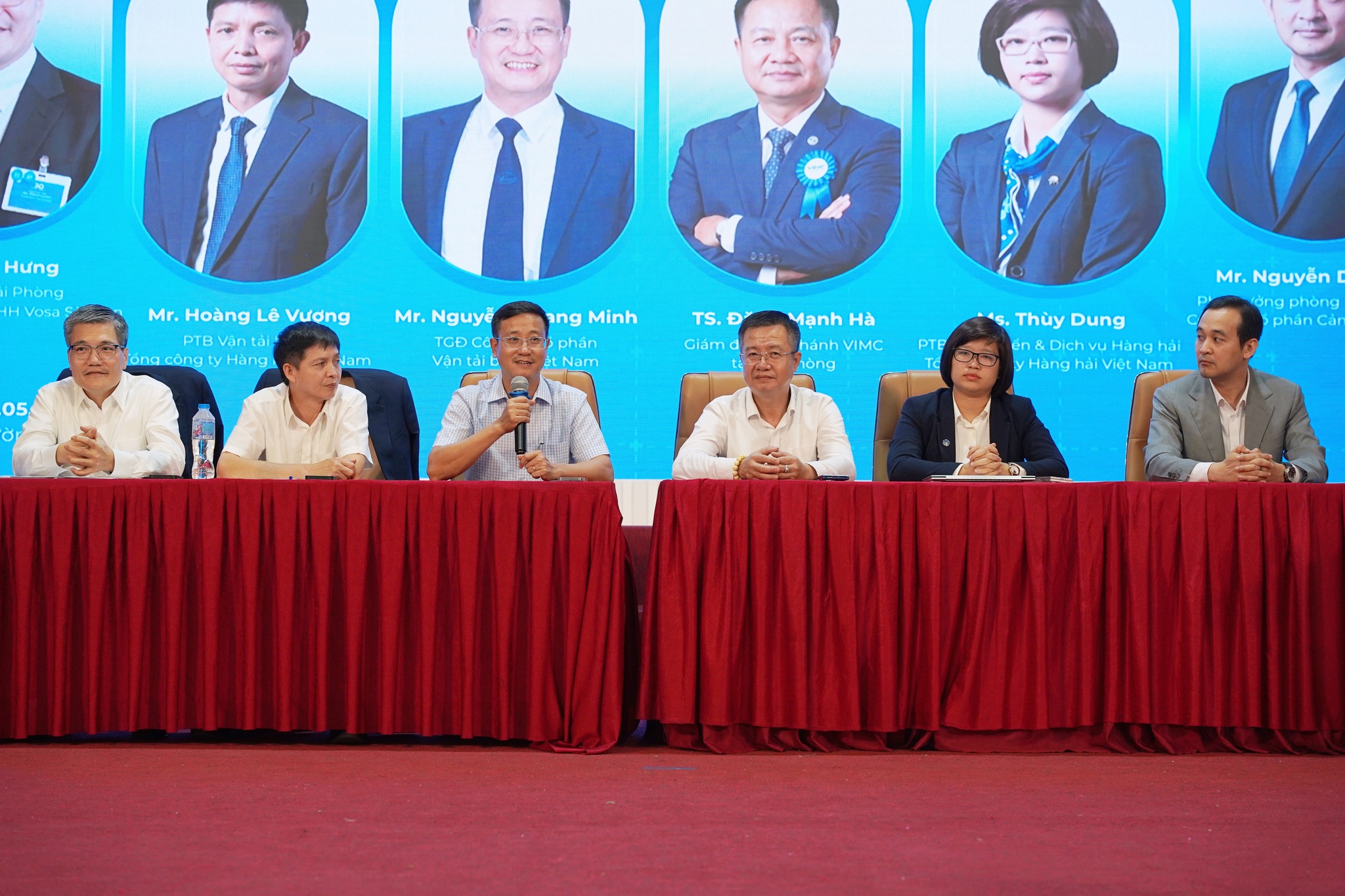
From the shipping sector, Nguyen Quang Minh, Chief Executive Officer of Vietnam Ocean Shipping Joint Stock Company (VOSCO), emphasized that shipping can no longer be viewed as an isolated business activity. It has become an integral component of the global integrated logistics network. As a result, shipping companies require not only operational expertise but also professionals capable of market analysis, responding to international market volatility, managing risks, and thinking strategically from a global business perspective.
Meanwhile, Vietnam’s port sector is also undergoing significant digital transformation.
Nguyen Duy Anh, Deputy Head of the Business Department at Hai Phong Port Joint Stock Company, discussed the company’s transition toward the smart port model, where data, automation, and digital technologies increasingly form the backbone of terminal operations.
This transformation is creating growing demand for professionals specializing in data analytics, operational technologies, systems management, digital logistics, and intelligent supply chain coordination.
In other words, today’s maritime industry is no longer exclusively for those who “go to sea.”
It has become an industry driven by technology, data, integrated logistics, and global management.
What distinguished the event was not the corporate presentations themselves, but VIMC’s approach to engaging students through authentic career stories and firsthand industry experience.
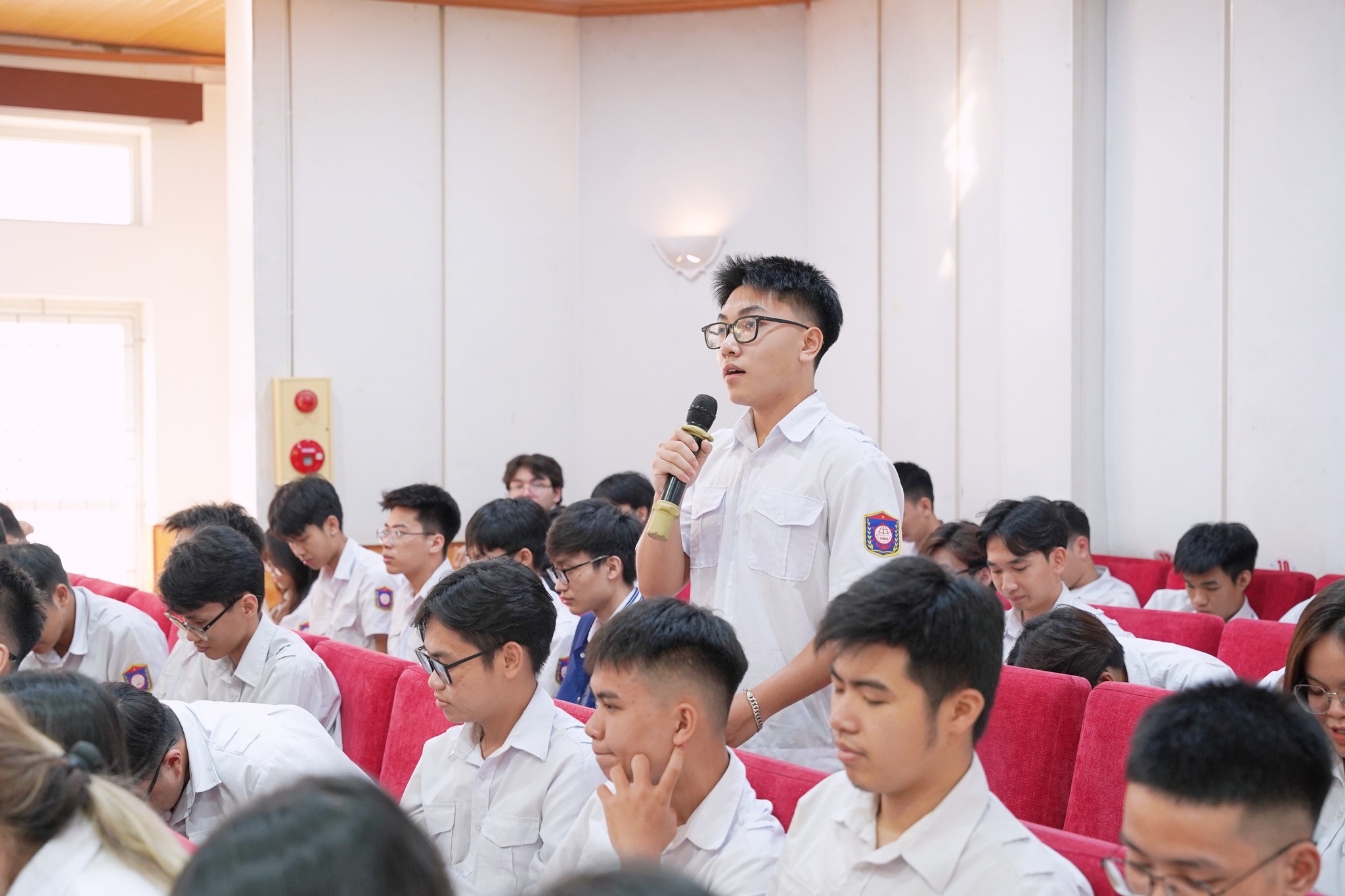
Rather than maintaining the traditional distance between speakers and audiences often seen at recruitment events, the forum adopted an open dialogue format, allowing students to ask candid questions about career opportunities for graduates from non-maritime disciplines, workplace culture, professional challenges, career development, gender equality in operations, and the realities of entering the workforce.
VIMC’s experts did not focus solely on career opportunities. They also openly discussed the demanding expectations of today’s logistics and maritime industries, including discipline, systems thinking, teamwork, problem-solving capabilities, and the ability to adapt in an increasingly volatile international environment.
As younger generations place greater emphasis on meaningful work, professional development, and personal values, this approach reflects a notable shift in the recruitment philosophy of maritime enterprises.
Rather than waiting for candidates to apply, companies are actively seeking talent.
Rather than simply hiring employees, they are investing in building a future talent community.
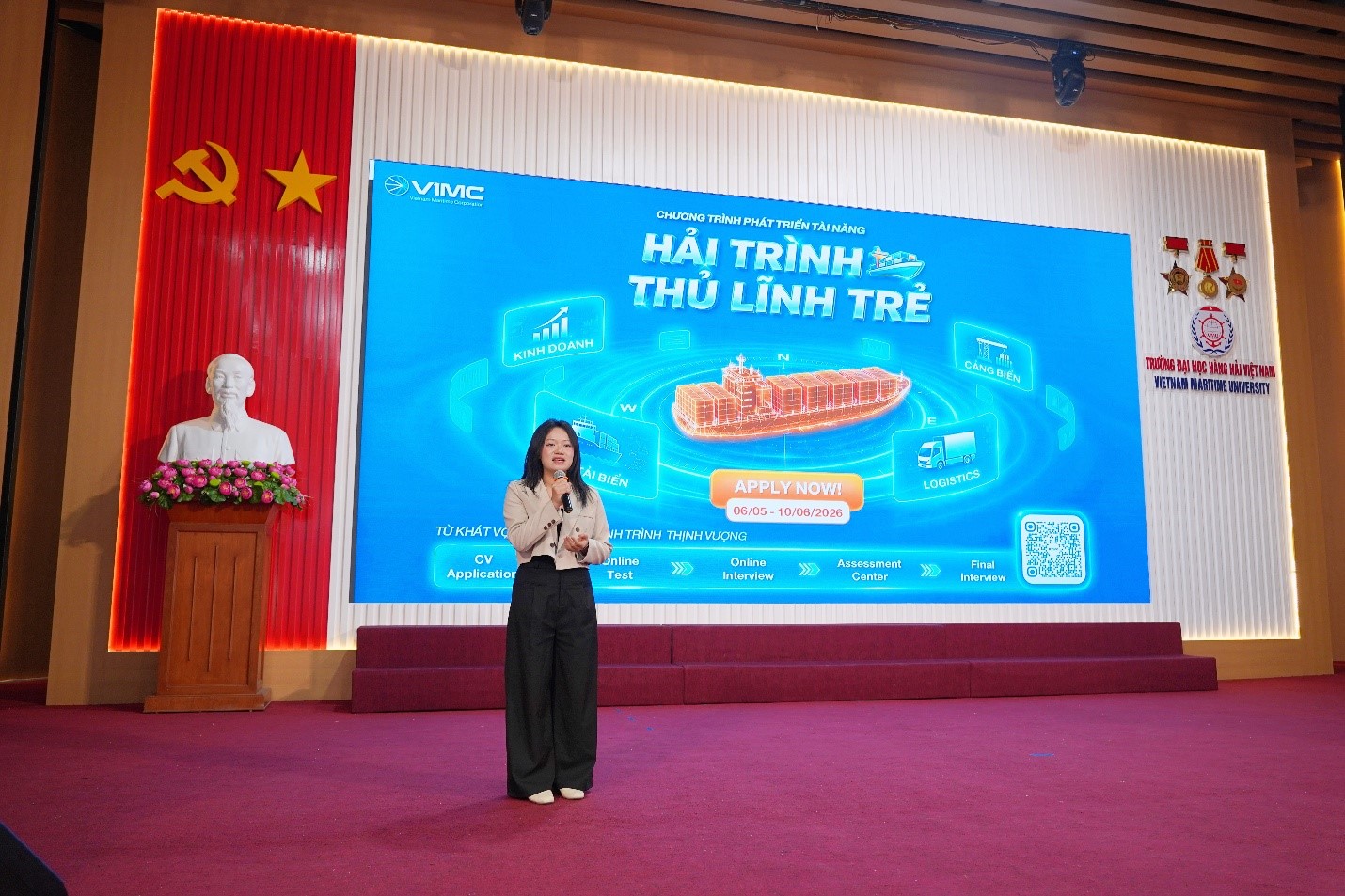
One of the highlights of the event was the introduction of VIMC’s Management Trainee – “Young Leaders Voyage” program.
In an industry where talent development is inherently long-term and requires extensive practical experience, cultivating the next generation of leaders has always been a strategic priority.
According to the organizing committee, the program is structured around VIMC’s three core business pillars: ports, shipping, and logistics services. Instead of providing vertically specialized training in a single discipline, the program is designed to develop cross-functional capabilities by enabling participants to understand the entire maritime logistics value chain.
This approach aligns with the growing trend toward integrated logistics, where the boundaries between business functions continue to blur. Decisions made within shipping operations can directly affect port productivity, warehousing costs, and ultimately the customer experience. Consequently, future managers require not only technical expertise but also the ability to understand the system as a whole.
Notably, the program places less emphasis on candidates coming from a “relevant major,” departing from traditional recruitment practices.
Throughout the forum, speakers repeatedly emphasized that VIMC is prepared to offer opportunities to talented young people who demonstrate learning agility, adaptability, and the willingness to grow.
In today’s rapidly evolving labor market, this reflects an increasingly open, flexible, and competitive maritime industry in its pursuit of high-quality talent.
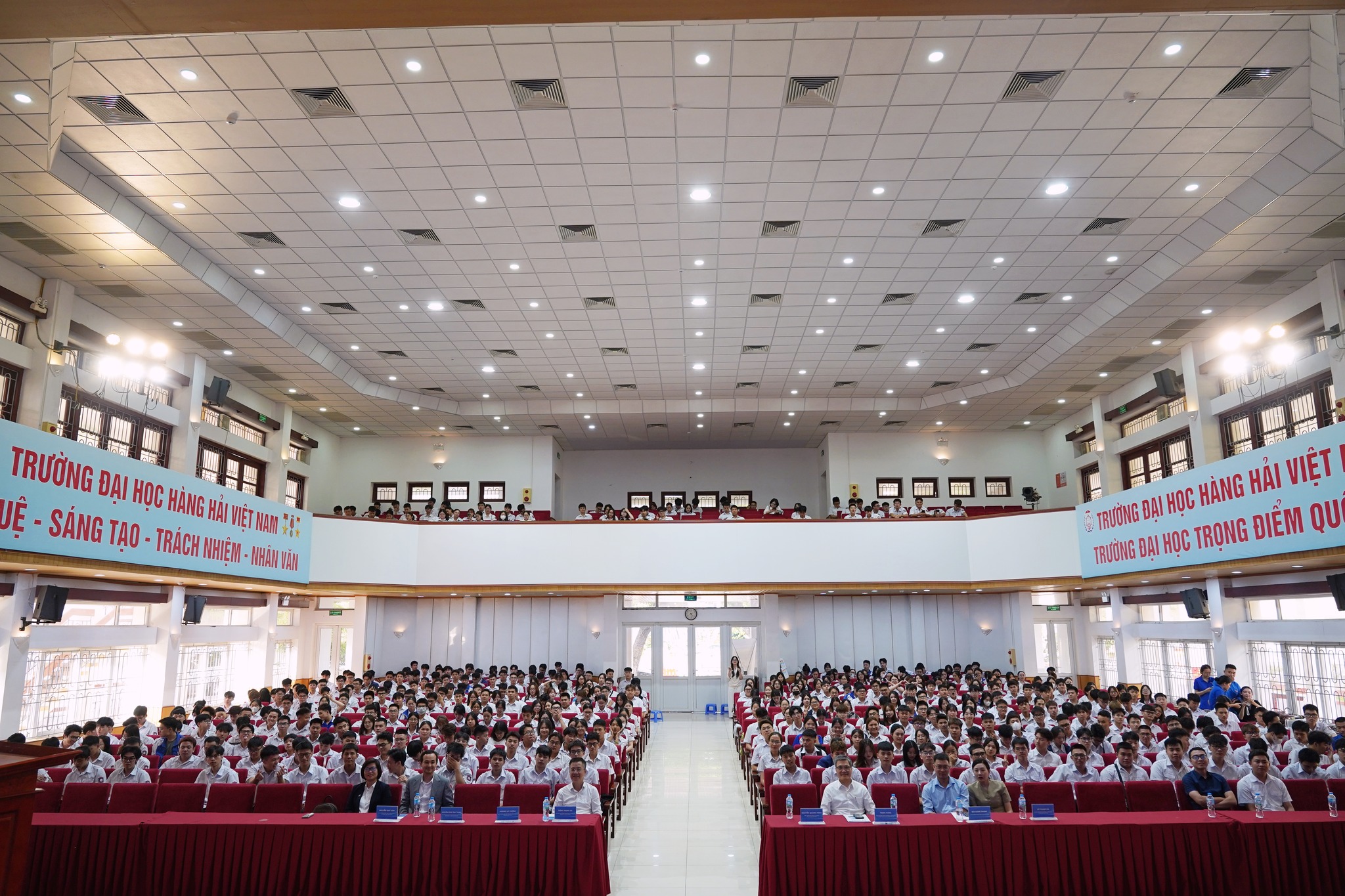
The strong engagement seen throughout the “Maritime Career Stories” forum reflects a broader trend emerging across Vietnam’s logistics sector: an intensifying competition to attract outstanding young professionals.
As companies continue investing in deep-water ports, integrated logistics, digital transformation, green supply chains, and international shipping, competitive advantage will no longer be determined solely by infrastructure, fleet size, or operational scale.
Instead, a new generation of professionals is expected to lead Vietnam’s maritime industry into its next phase of development—one that is more digital, more sustainable, more globally connected, and capable of generating higher value-added services.
In this journey, initiatives such as VIMC’s Management Trainee – “Young Leaders Voyage” are more than recruitment campaigns or employer branding activities.
They signal that Vietnam’s maritime enterprises are embracing a long-term talent strategy—one in which university classrooms become the starting point for cultivating the maritime leaders of tomorrow.