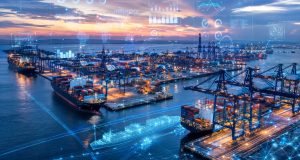
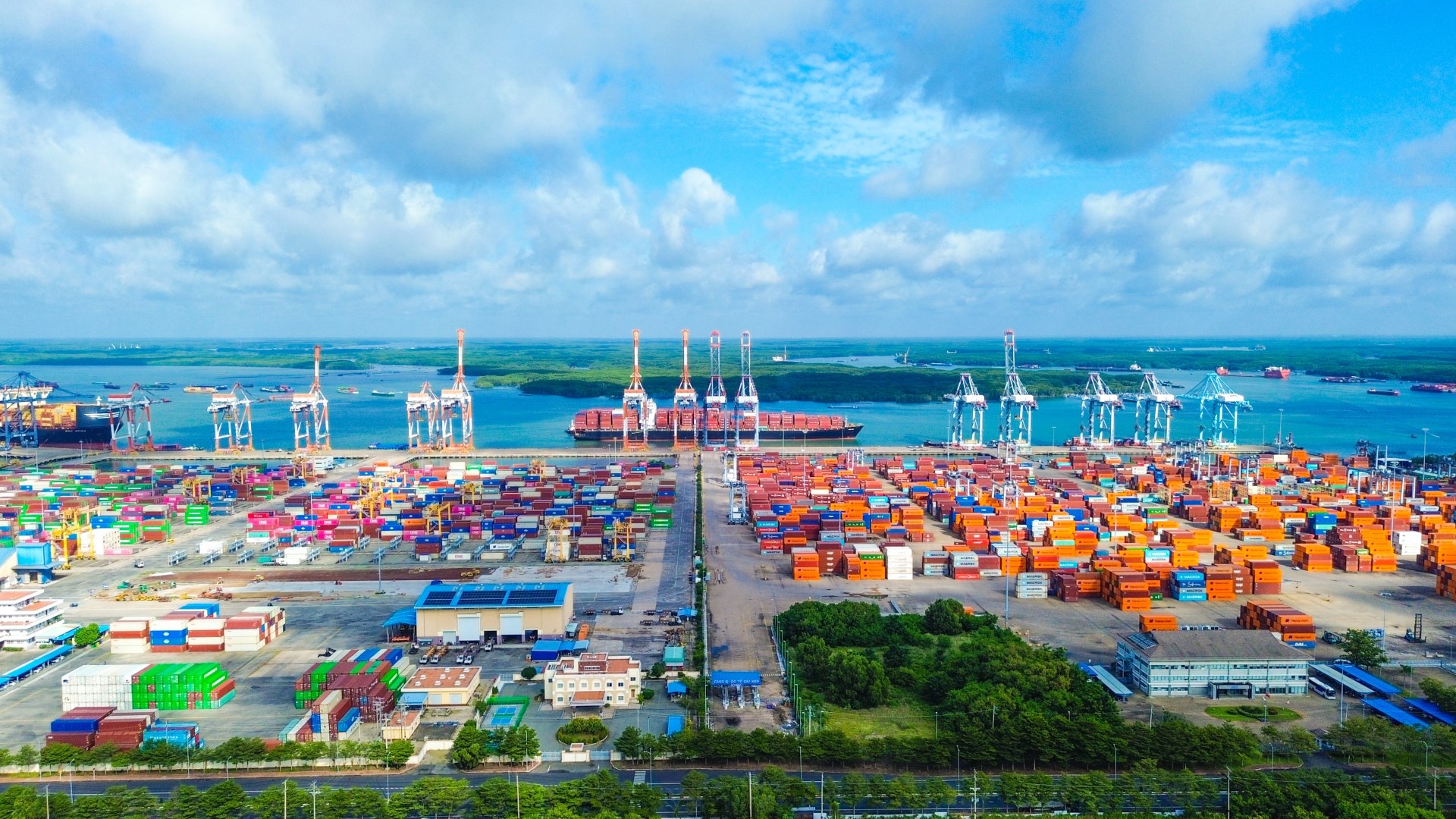
On September 7-8, 2026, Cai Mep International Terminal (CMIT) and Tan Cang – Cai Mep Thi Vai Terminal (TCTT) jointly received and successfully operated the vessel SHENZHEN of shipping line ZIM at the connecting berth area between the two terminals. This was the first mother vessel jointly handled by both terminals at the joint berth, marking an important milestone in realizing the port infrastructure connectivity model at Cai Mep.
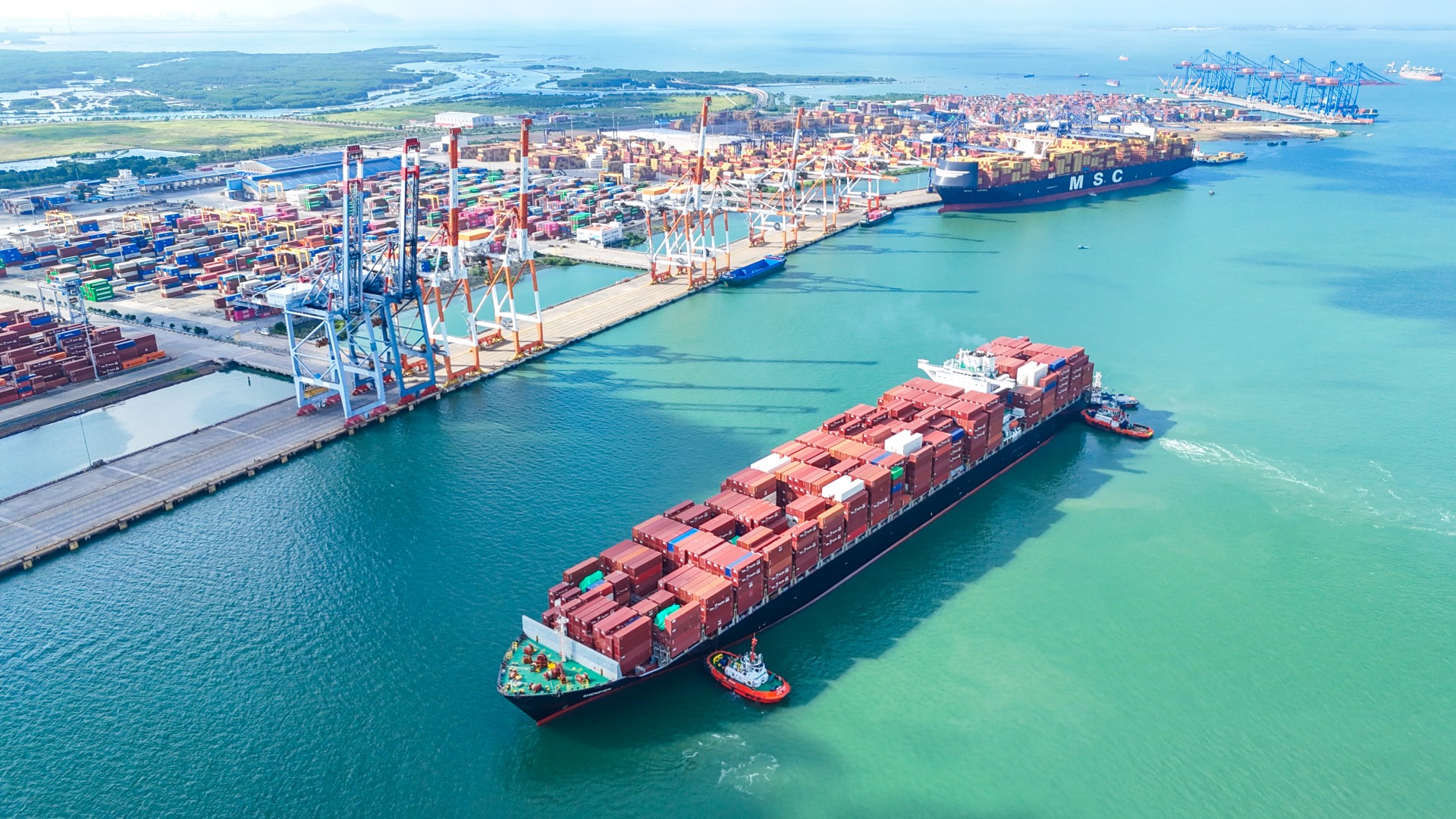
With a length of 335.23 m and a deadweight of 102,517 DWT, the ZIM SHENZHEN was safely operated in accordance with the Maritime Safety Plan approved by the Vietnam Maritime and Waterways Administration, under the supervision of the Ho Chi Minh City Port Authority. Over nearly a full day of operations, CMIT and TCTT jointly handled approximately 3,200 TEUs of cargo and empty containers, ensuring the vessel departed the terminal on schedule.
This is an unprecedented cooperation model in container terminal operations in Vietnam, marking a breakthrough not only in berth infrastructure connectivity but also in operational coordination between two independent terminal enterprises.
The success of this vessel call is the result of close cooperation and determination between CMIT and TCTT throughout the process of studying technical solutions, assessing infrastructure, developing the maritime safety plan, completing approvals, and implementing the berth connection.
This achievement also confirms the effectiveness of coordination among port enterprises, regulatory authorities, and partners, with the strong support of shipping lines and the authorities, along with the trust and companionship of the shareholders of both terminals.
The berth connection between CMIT and TCTT forms a continuous berth line of approximately 1,200 m, enabling greater flexibility in berth allocation, optimizing the use of existing infrastructure, and increasing the capacity to simultaneously receive large mother vessels. This is not only a step forward for both terminals, but also contributes to strengthening the competitiveness of the Cai Mep – Thi Vai deep-water port cluster as an international maritime gateway for Vietnam.